TB Workshop Organized on the Occasion of World Tuberculosis Elimination Day at B.K.L. Walawalkar Rural Medical College & Hospital, Sawarde
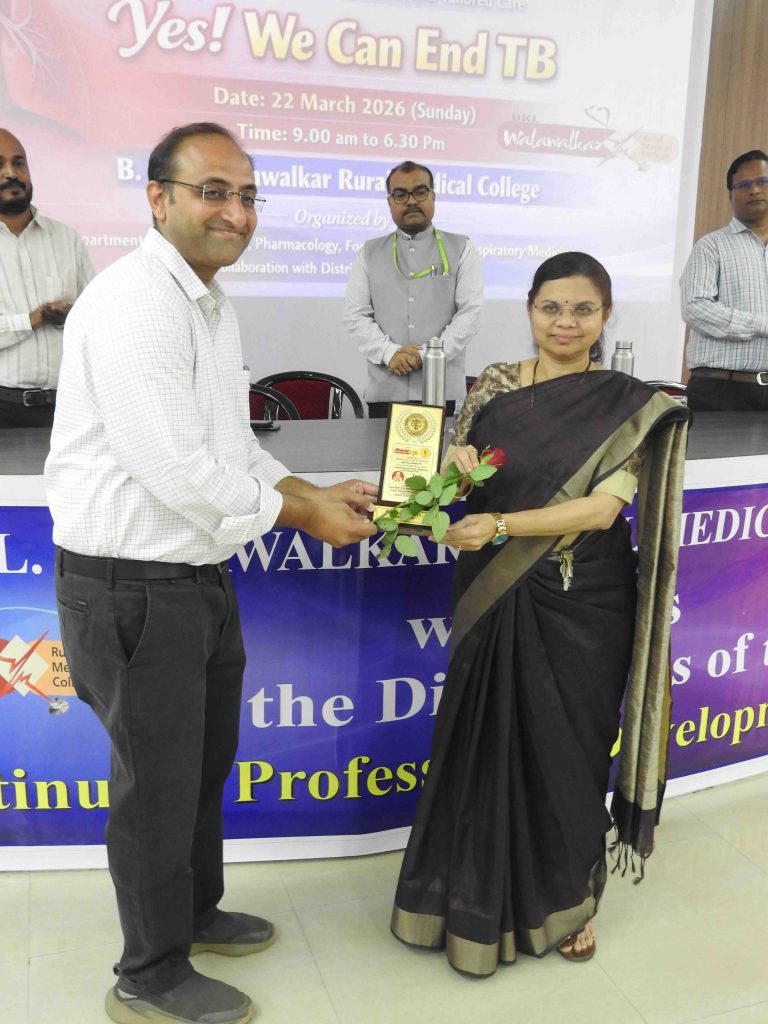
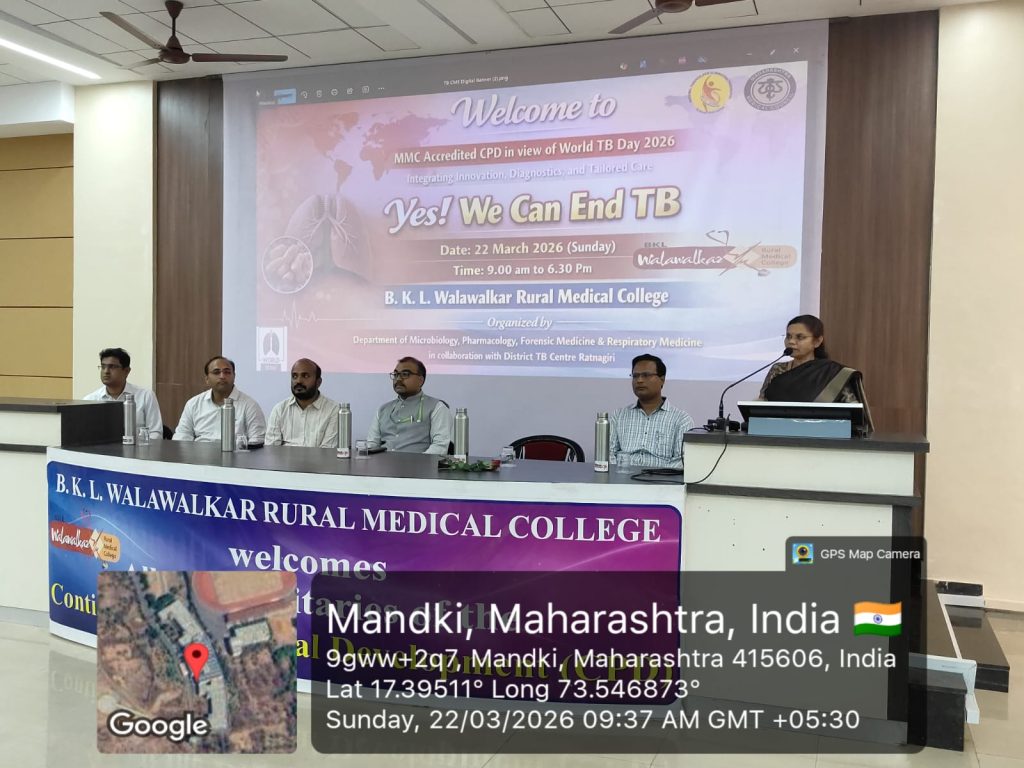
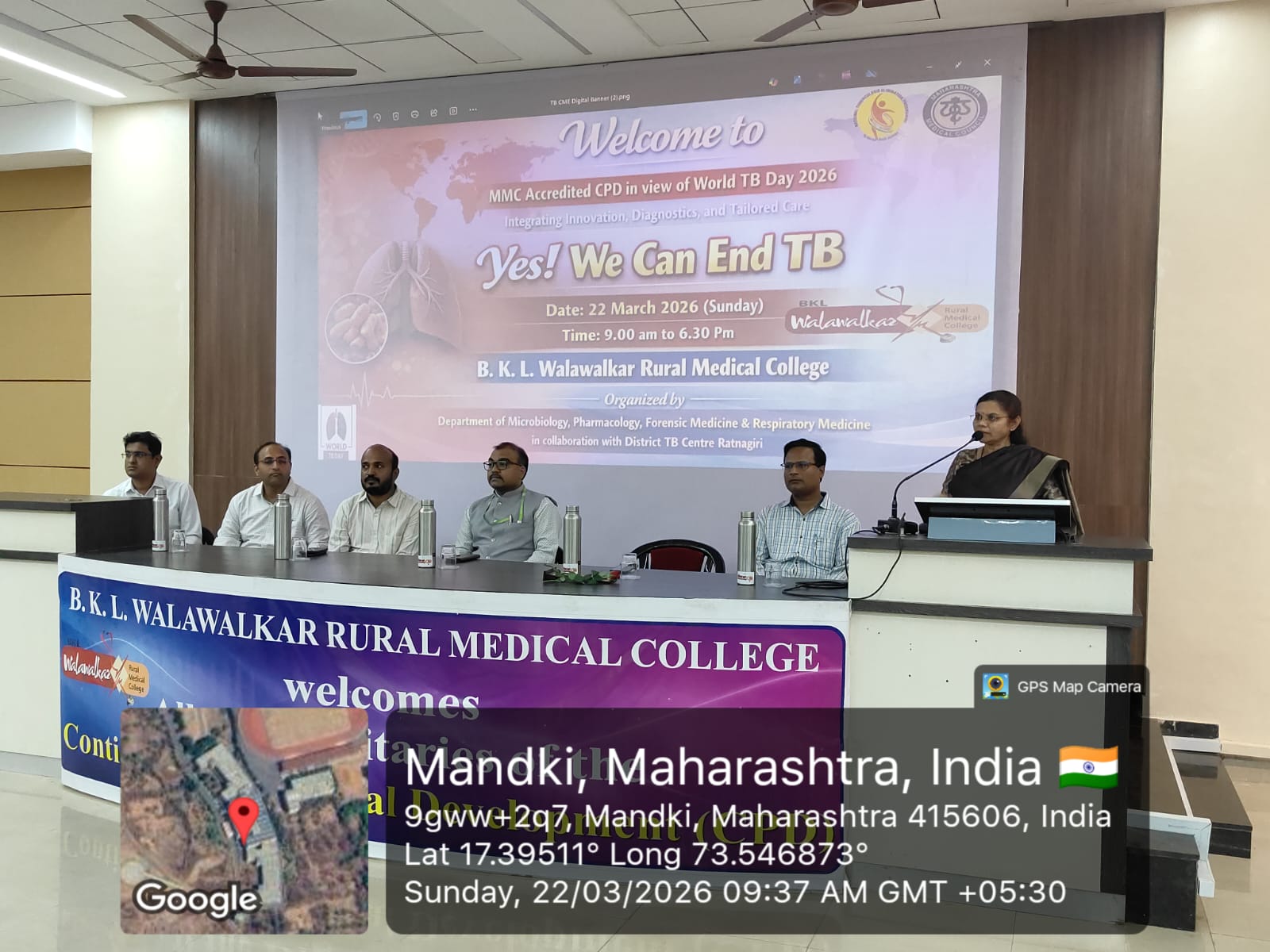
On the occasion of World Tuberculosis Elimination Day, a comprehensive workshop on Tuberculosis (TB) was organized on 22nd March 2026 at B.K.L. Walawalkar Rural Medical College & Hospital, Sawarde. The program was conducted jointly by the Departments of Microbiology, Forensic Medicine, Pharmacology, and Respiratory Medicine, in collaboration with the District Tuberculosis Office.
The workshop received an excellent response, with more than 155 registrations from participants across various healthcare sectors.
Tuberculosis continues to be a major public health challenge in India. To achieve its complete eradication, it is essential for healthcare systems, doctors, nurses, and the general public to work together and strictly follow the guidelines issued by health authorities. Individuals with conditions such as diabetes, malnutrition, and HIV are at higher risk due to reduced immunity, leading to increased susceptibility to TB. Emphasis was placed on preventive measures such as maintaining a balanced diet, controlling diabetes, ensuring good ventilation, and avoiding overcrowded places.
The Government has strengthened TB control initiatives by providing advanced diagnostic facilities and free access to newer medications. Supporting this mission, Walawalkar Hospital has developed modern infrastructure, including expert clinicians, advanced laboratories, and access to government-supplied medications. Facilities such as Truenat machines and PCR testing have been made available to enable early and accurate diagnosis. The workshop aimed to reinforce that TB is a completely curable disease if diagnosed early and treated with proper nutrition and regular medication adherence.
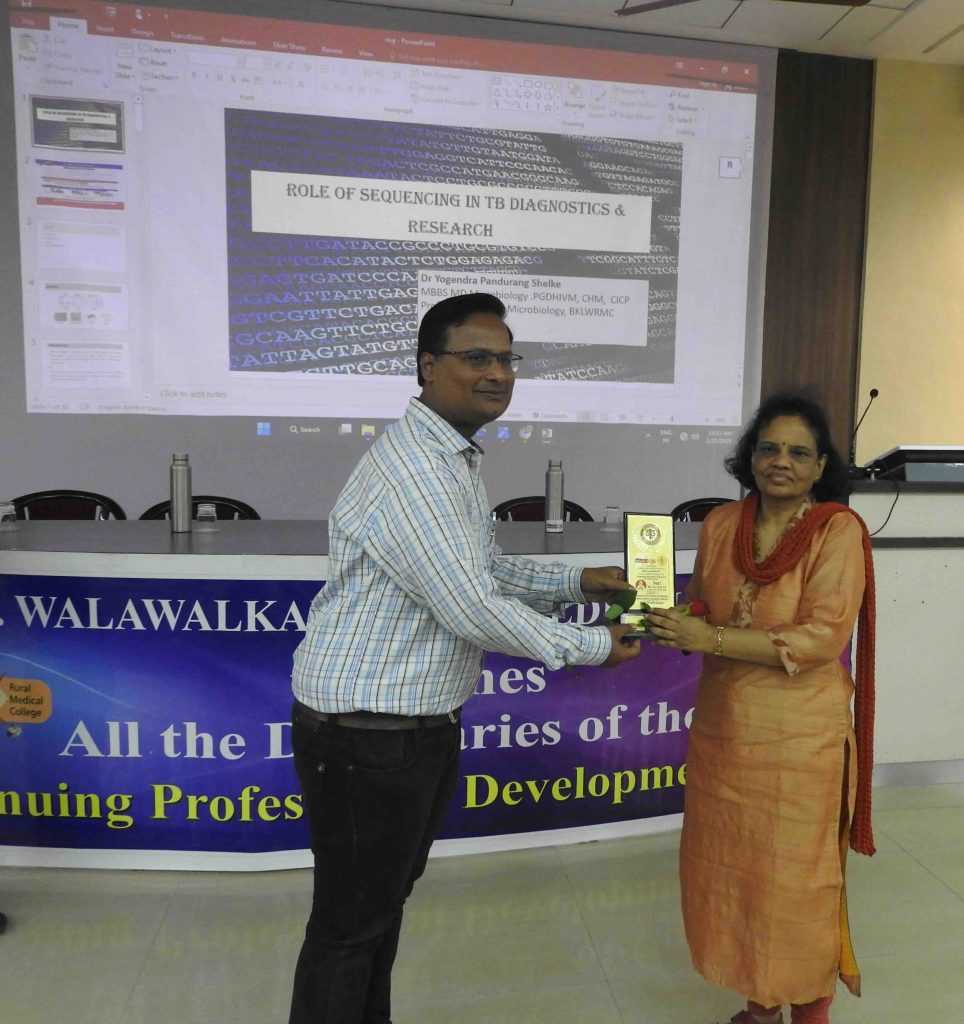
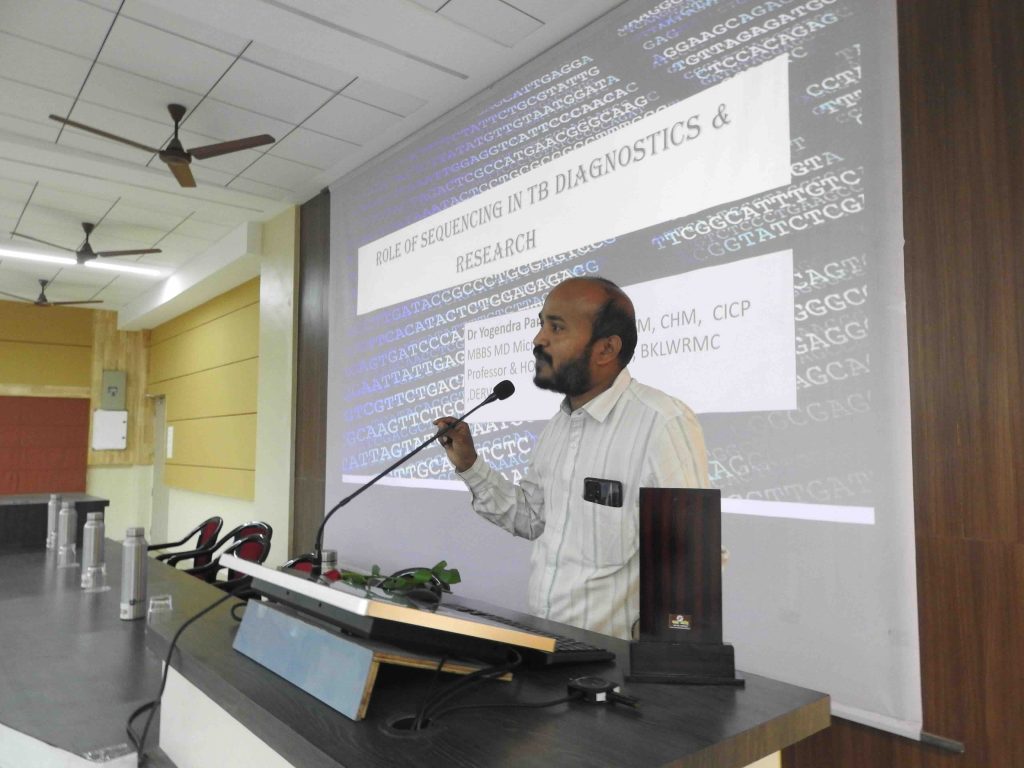
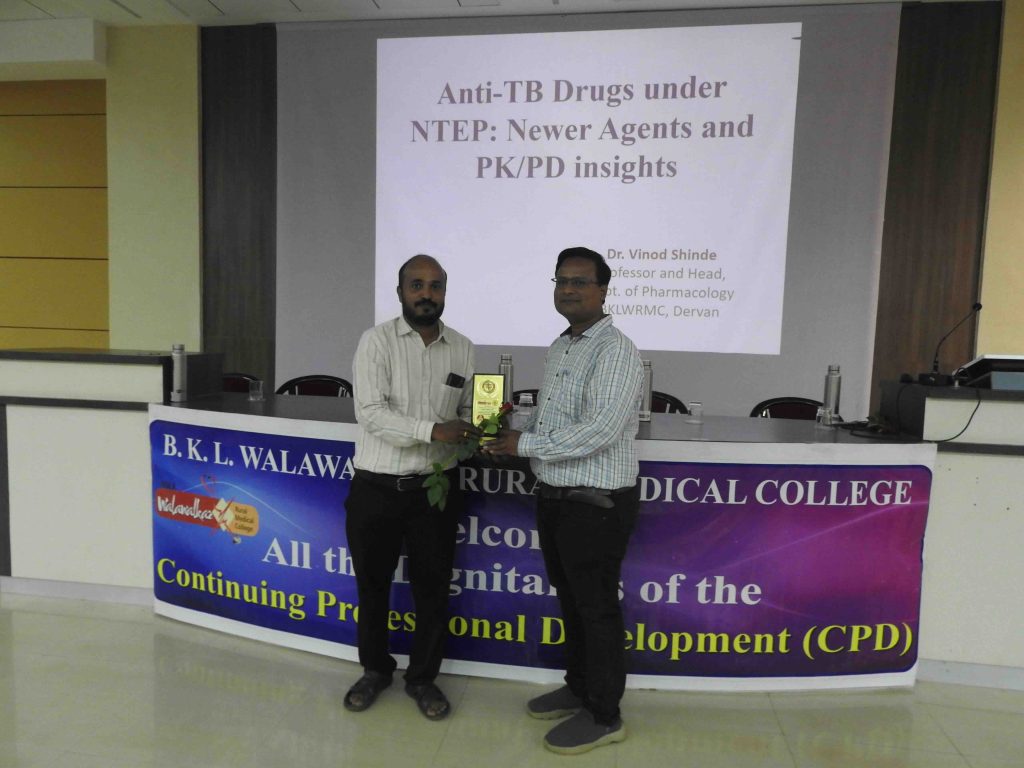
During the academic sessions, Dr. Meena Ramtirthkar delivered a lecture on TB diagnosis as per NTEP guidelines and recent advancements in diagnostic techniques. Dr. Yogendra Shelke (Microbiology) highlighted the future role of gene sequencing in TB diagnosis with practical examples. Dr. Vinod Shinde (Pharmacology) discussed newer anti-TB drugs, while Dr. Balwant Chaure (Pharmacology) elaborated on adverse drug reactions and their management.
From the DRTB Center at Walawalkar Hospital, Dr. Sanket Ekmalli explained individualized treatment approaches based on disease severity and patient needs, which can significantly reduce TB mortality. Dr. Jyoti Yadav, Taluka Health Officer, Chiplun, also addressed the participants. Dr. Vanita Kulkarni and Dr. Anagha Modak shared insights on TB management during pregnancy. Dr. Ameya Paranjape (Respiratory Medicine) focused on drug-resistant TB, while Dr. Laxman Phad (Forensic Medicine) and Dr. Purohit addressed medico-legal aspects related to TB.
The workshop comprehensively covered all aspects of tuberculosis under the guidance of esteemed speakers and chairpersons. Participants included medical students, practicing doctors, technicians, nursing staff, physicians, clinicians, public health officers (THOs), medical officers, and SDH medical superintendents, all of whom actively engaged in the sessions.
To emphasize the growing importance of genomics in TB management, Ms. Neelam Shirsat, Scientist from Tata Memorial Centre, was invited. With her guidance, genomic diagnostic services are expected to be introduced soon at the hospital.
Dr. Suvarna Patil, Director of Walawalkar Hospital, reaffirmed the institution’s commitment to strengthening TB eradication efforts in the Konkan region through advanced diagnostics, expert care, and continuous academic initiatives.