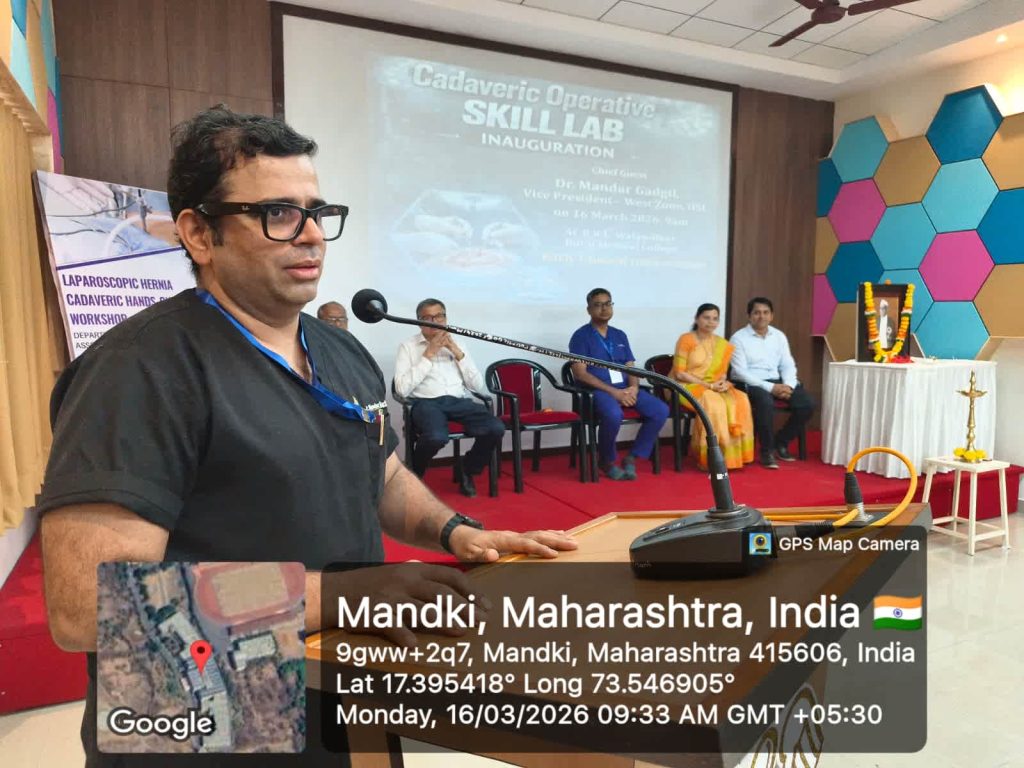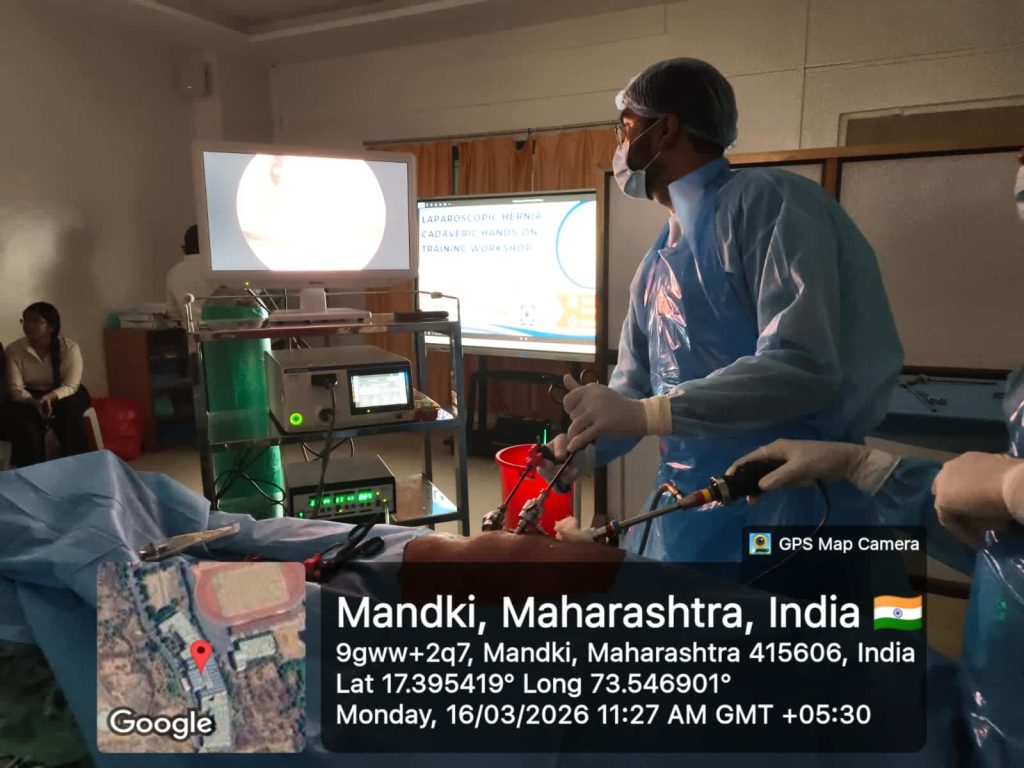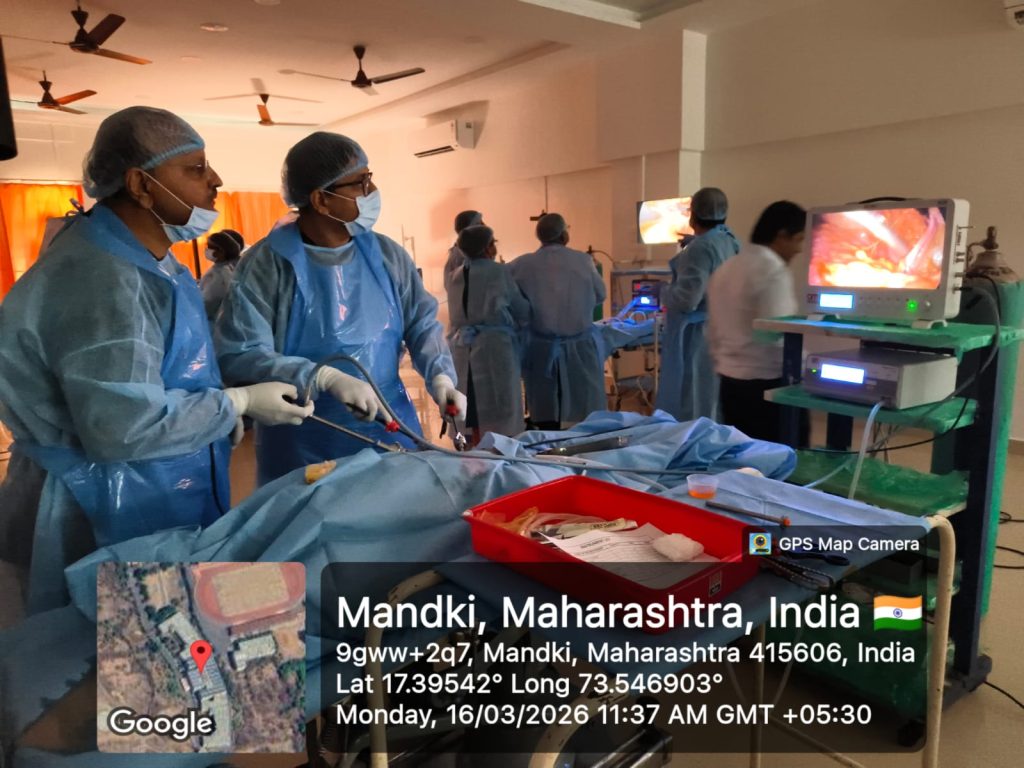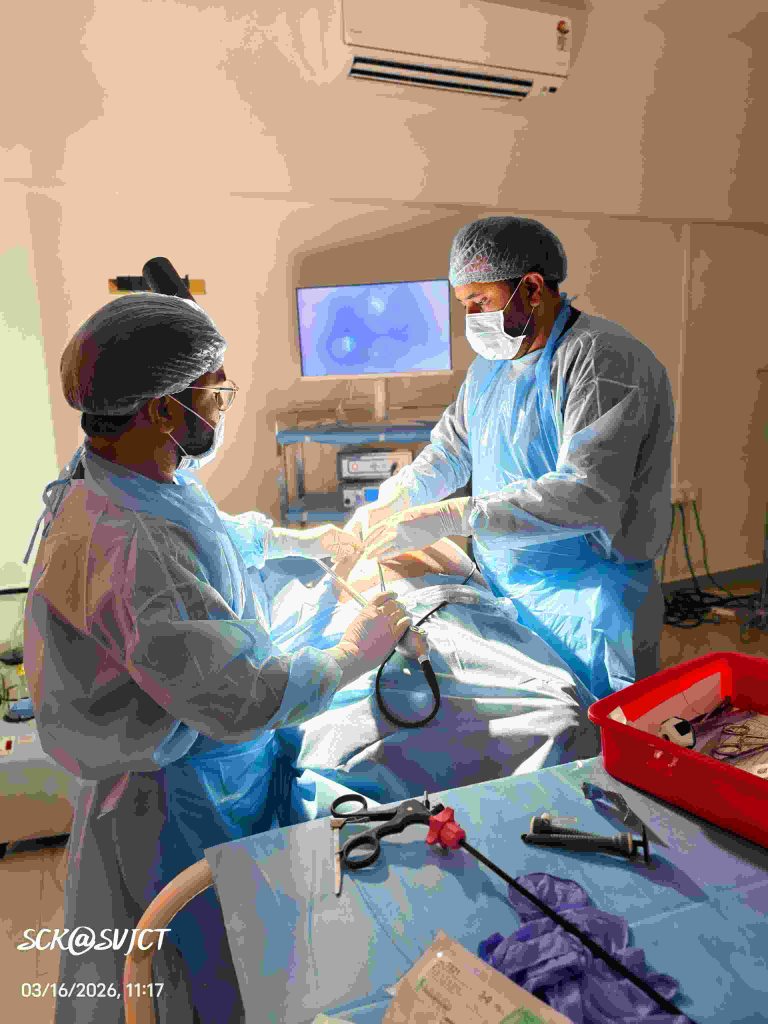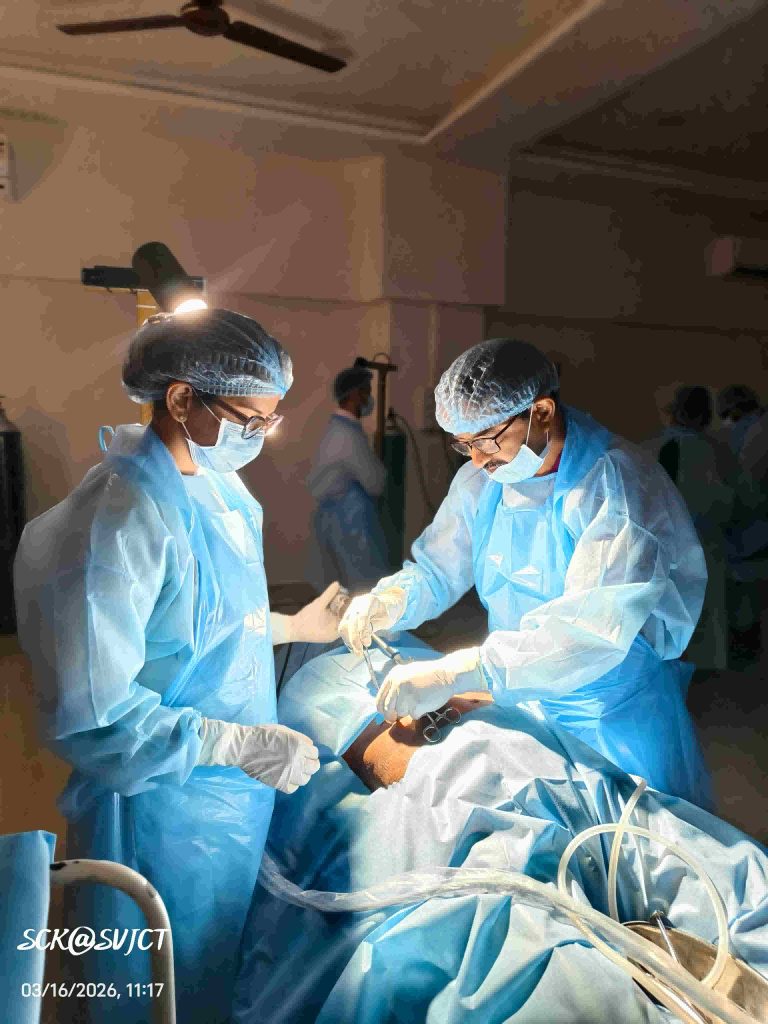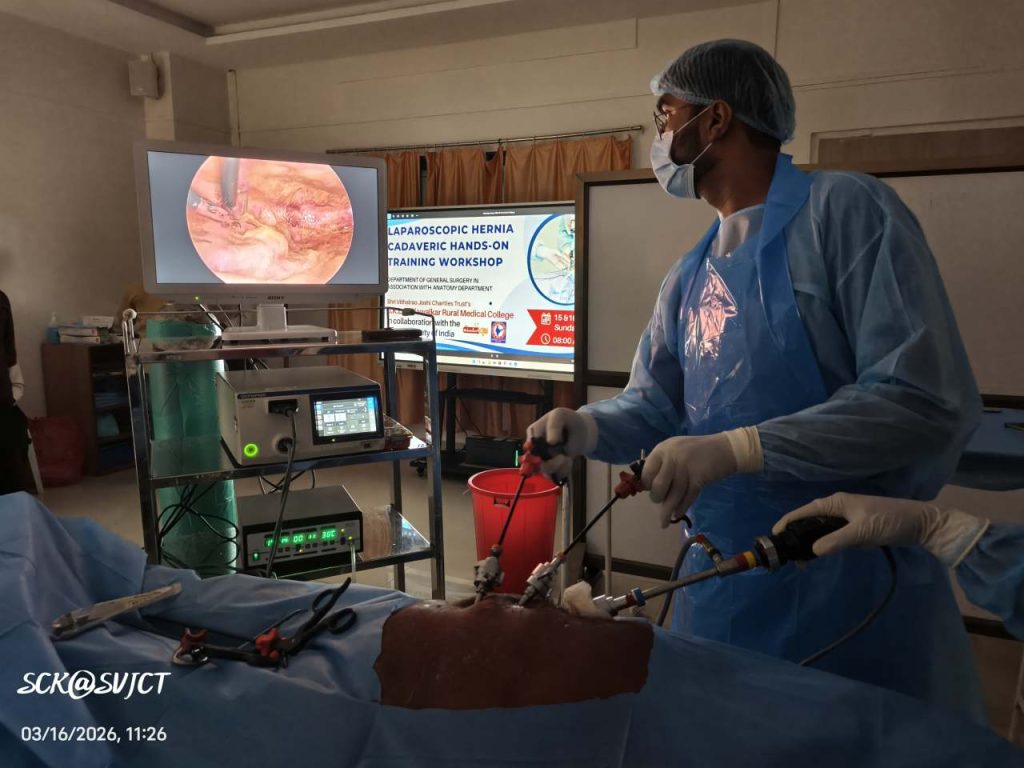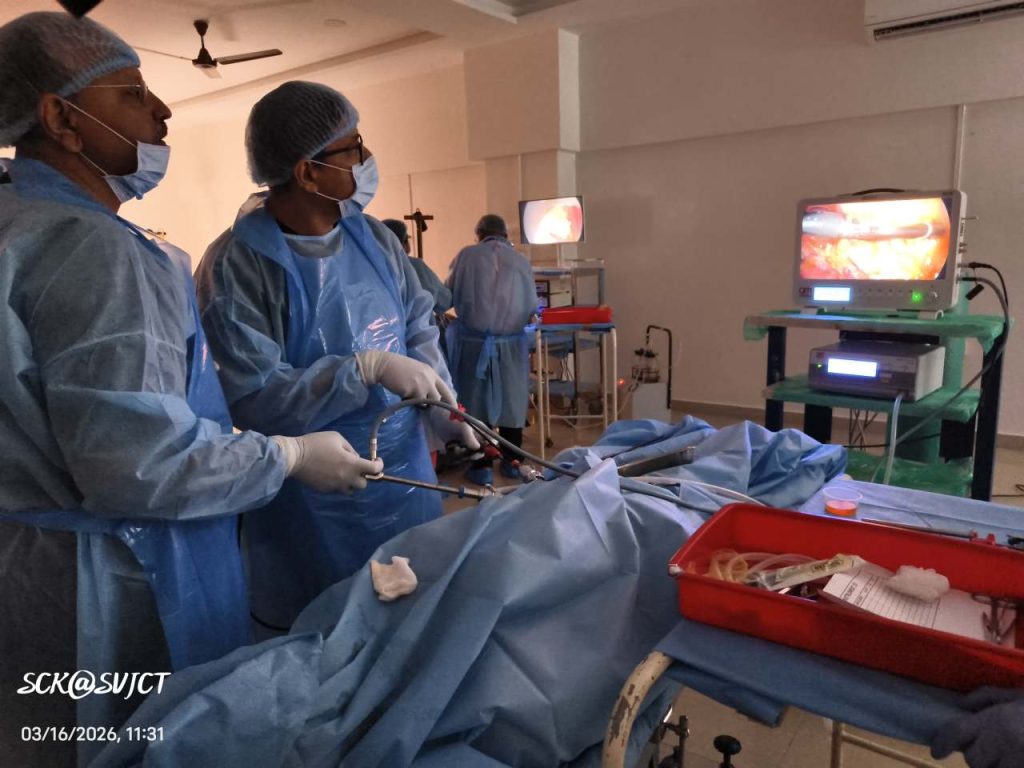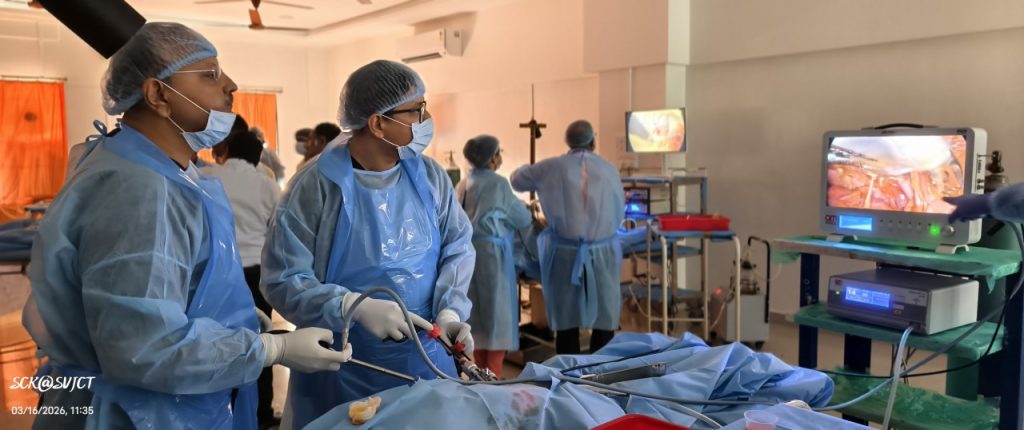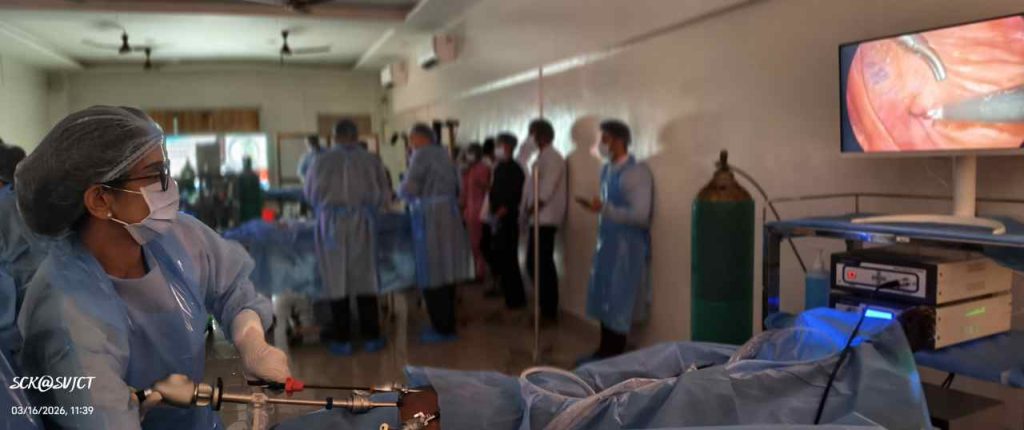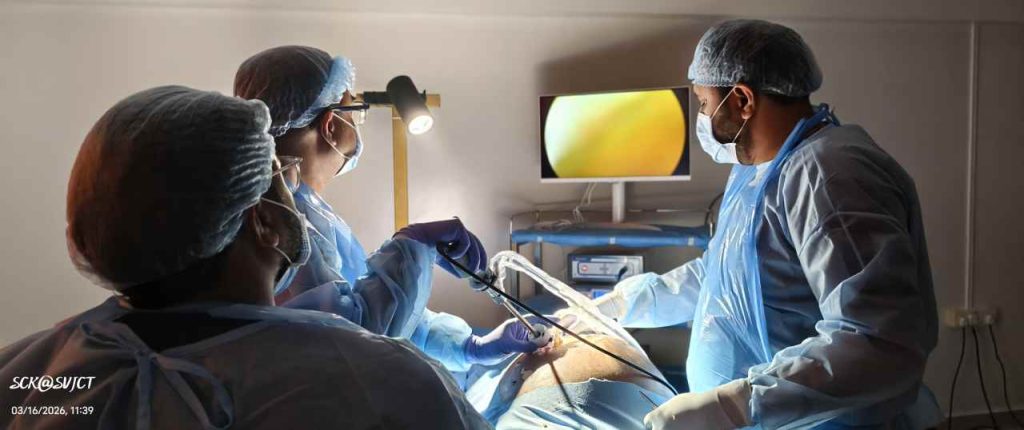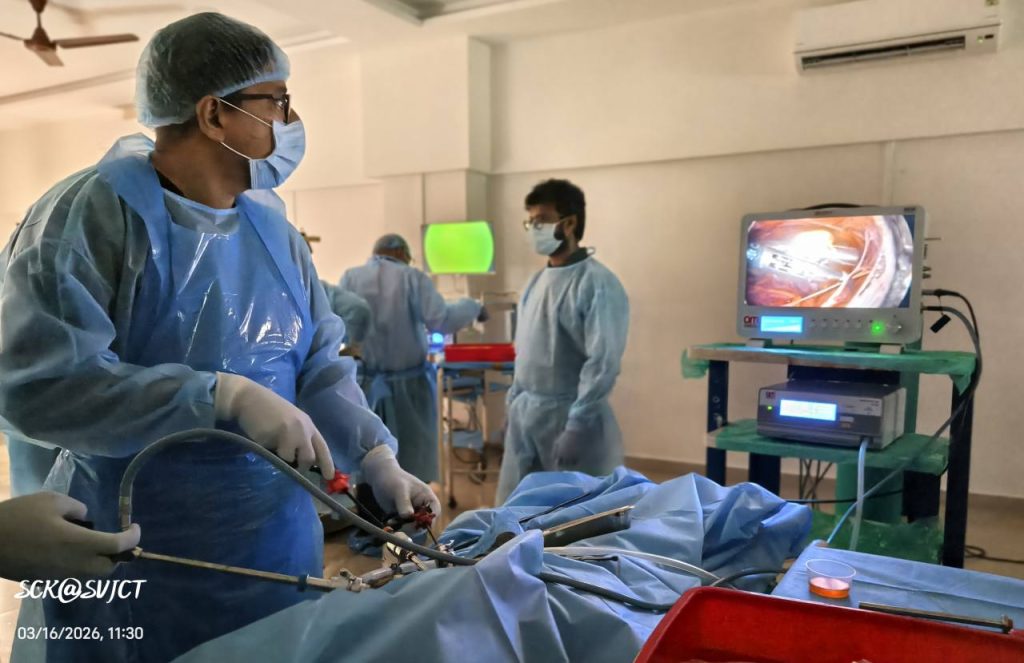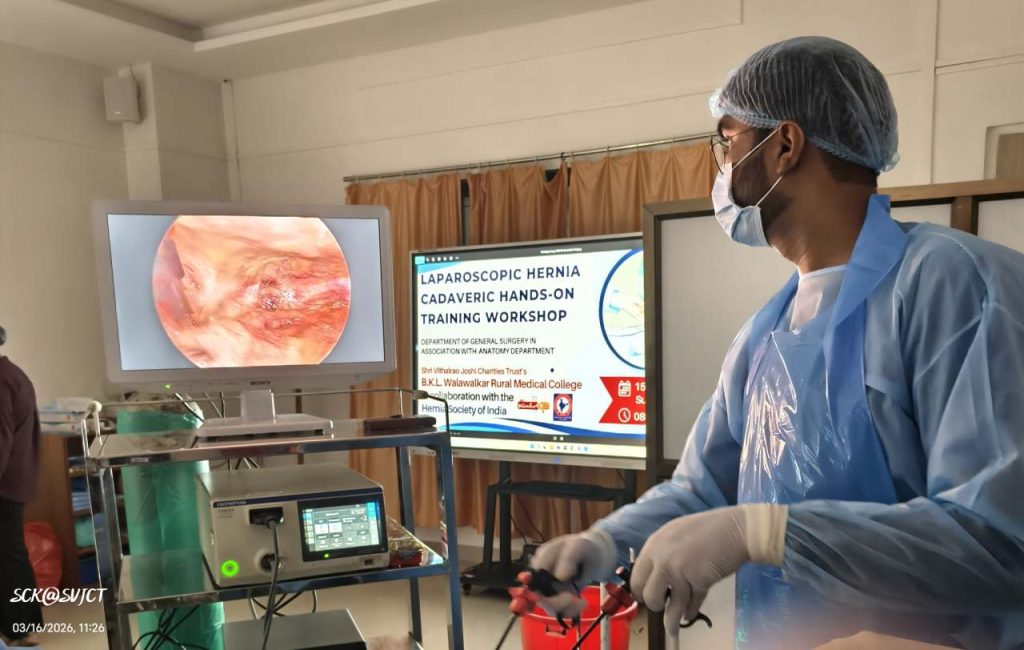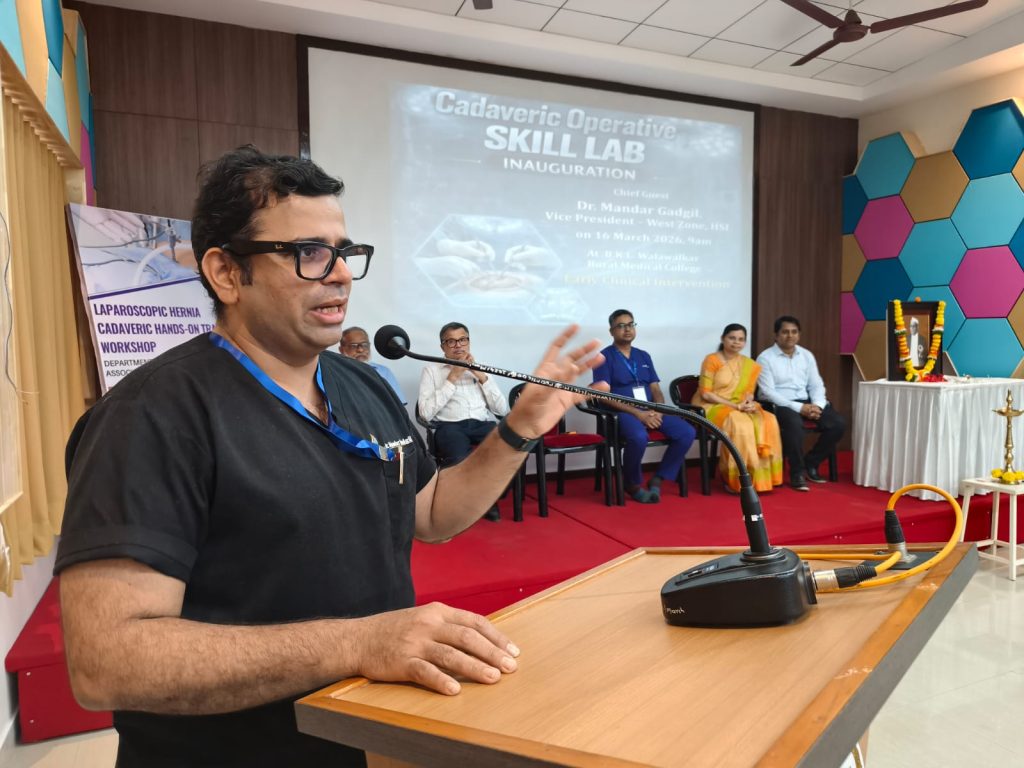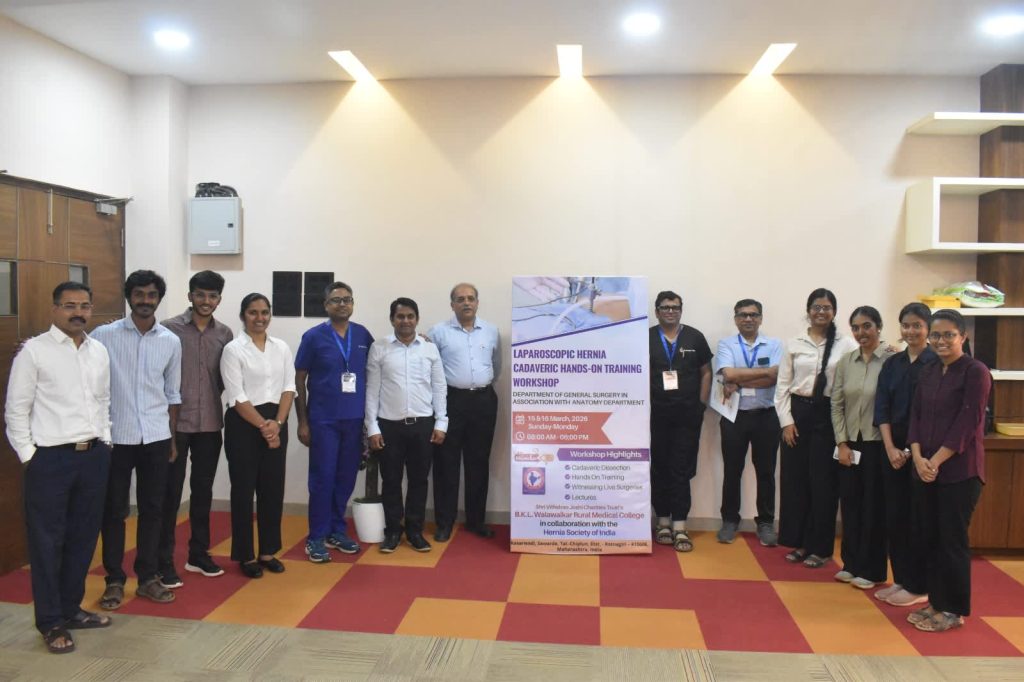
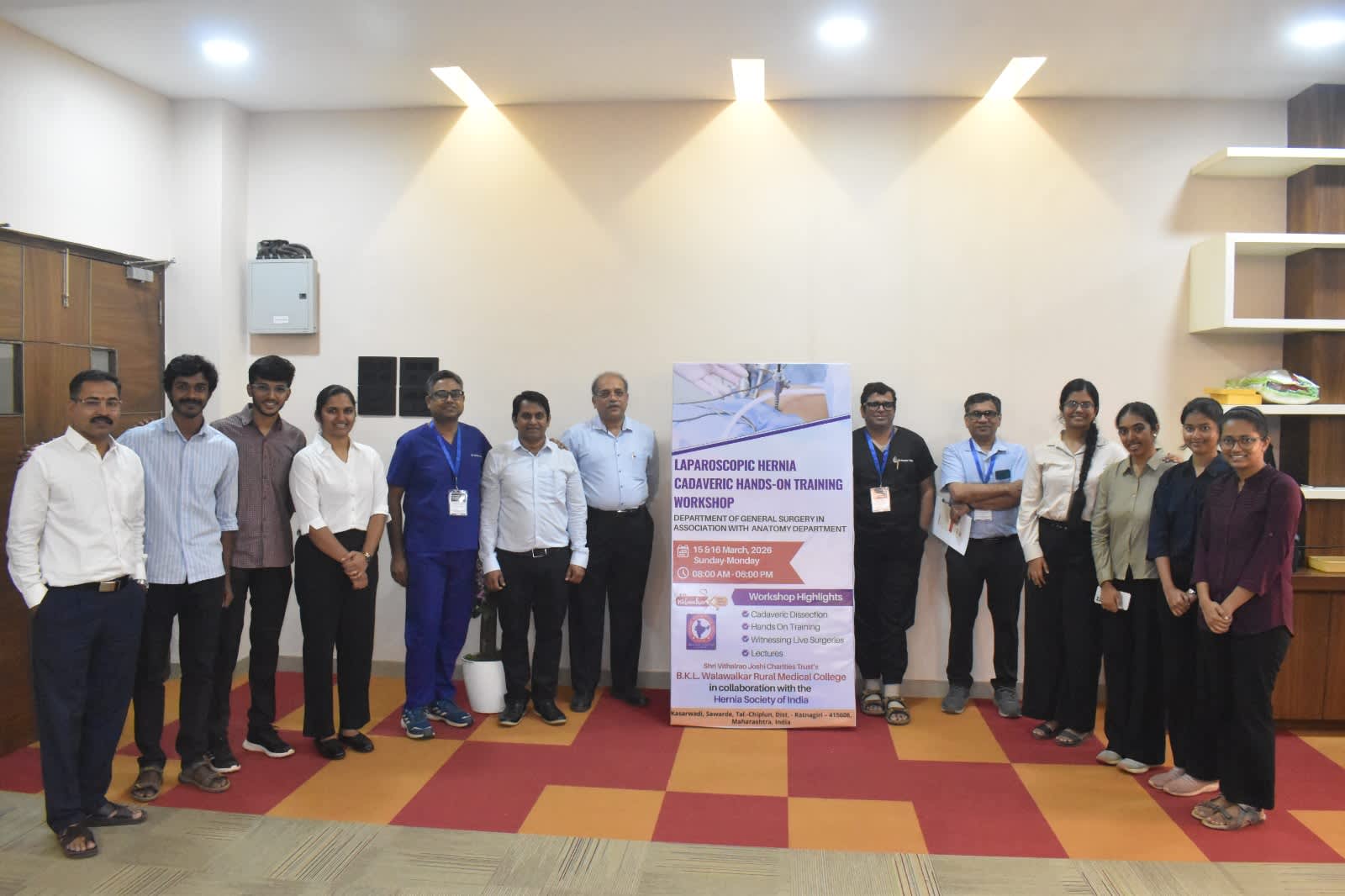
The Department of General Surgery, in collaboration with the Department of Anatomy, successfully organized a two-day Laparoscopic Hernia Cadaveric Hands-on Training Workshop on March 15 and 16, 2026, in association with the Hernia Society of India. The event drew enthusiastic participation from surgeons across the region, highlighting the growing demand for advanced skill-based surgical training. The first day of the workshop focused on live operative exposure, offering delegates the opportunity to observe advanced laparoscopic hernia procedures in the operating theatre. This was complemented by structured academic sessions covering key topics such as inguinal and ventral hernia anatomy, TAPP, TEP, eTEP, IPOM Plus, and emerging surgical techniques. Interactive discussions on complication management further enriched the learning experience, ensuring a seamless integration of theoretical knowledge with clinical application. The second day marked a significant milestone with the inauguration of a state-of-the-art Cadaveric Skill Laboratory. The ceremony began with a traditional lamp lighting, symbolizing the pursuit of knowledge, followed by the felicitation of distinguished faculty members. The newly established facility, equipped with modern laparoscopic systems and advanced instrumentation, became the focal point of the workshop. Hands-on training on soft-embalmed cadavers provided participants with near real-life surgical experience, allowing precise anatomical understanding and procedural practice under expert supervision. The use of such cadavers was widely appreciated for enhancing surgical confidence and competence. Dr. Mandar Gadgil praised the initiative, noting that the overwhelming response—where all seats were filled within 24 hours of announcement with additional participants waitlisted—reflects the urgent need for such specialized training programs. Dr. Prashant Moolya, Faculty In-charge of the Cadaveric Skill Lab, emphasized the academic potential of the facility in advancing simulation-based surgical education. Dr. Suvarna Patil, Medical Director, highlighted the importance of integrating skill-based methodologies into undergraduate and postgraduate training to meet the evolving demands of modern surgical practice. Dr. Mansingrao Ghatge, Dean, expressed gratitude to the participants, while Dr. Sunil Nadkarni underscored the institution’s commitment to academic excellence. Dr. Netaji Patil acknowledged the guidance of Shri Kaka Maharaj and the support of the management in establishing the laboratory. He also extended appreciation to the organizing team and felicitated faculty members, including Dr. Mandar Gadgil and Dr. Erbaz Momin, for their contributions. Industry partners—Medtech, OM Surgicals, Karl Storz, and Olympus—were also recognized for their technical support. The workshop received excellent feedback from delegates, who particularly appreciated the quality of training, structured modules, and the availability of such an advanced facility in a rural setting. Many expressed keen interest in attending future programs. This initiative marks a progressive step toward competency-based surgical education, effectively bridging the gap between theoretical learning and operative proficiency.