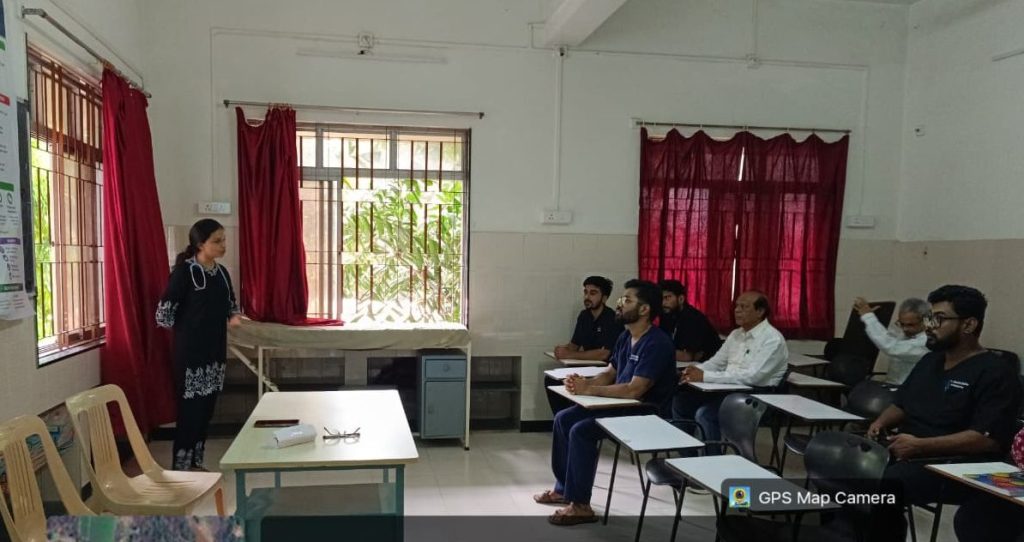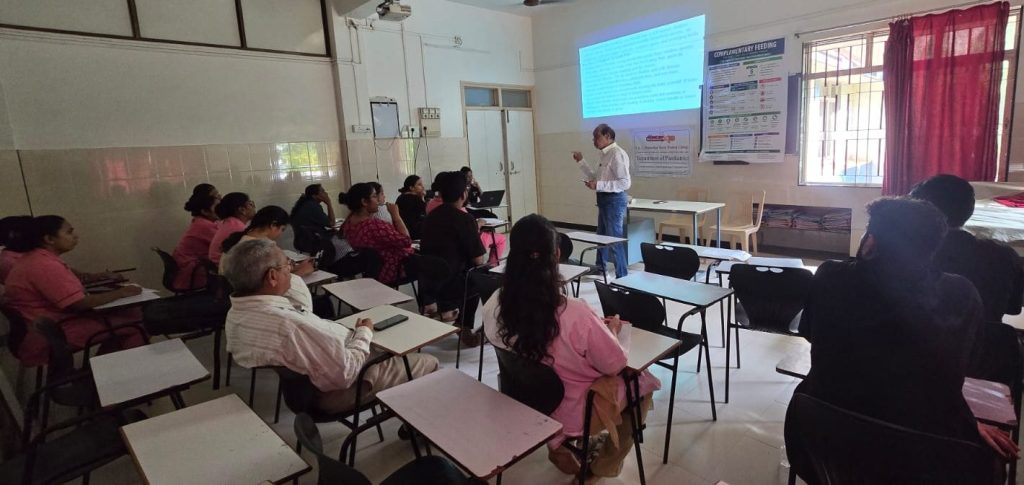
On 6th June 2026, International Complementary Feeding Daywas celebrated by the department of Paediatrics of BKL Walalwalkar Rural Medical College and Hospital. A comprehensive educational session on Complementary Feeding was conducted by Dr.SuryakantIngale Sir for all hospital Nursing staff, Residents of Paediatrics and Obstetrics in the presence of Dr.AnilKurane Sir.The presentation emphasized the importance of timely and appropriate introduction of complementary foods to infants for optimal growth and development. Key Points Discussed: Definition of Complementary Feeding Complementary feeding refers to the process of introducing solid, semi-solid, or soft foods to an infant while continuing breastfeeding after 6 months of age. Importance Breast milk alone becomes insufficient to meet the nutritional requirements of infants after 6 months. Appropriate complementary feeding helps prevent malnutrition, growth faltering, micronutrient deficiencies, and infections. Timing Complementary foods should be started at 6 completed months of age while continuing breastfeeding up to 2 years and beyond. Principles of Complementary Feeding Food should be adequate, safe, nutritious, and age-appropriate. Gradual increase in quantity, consistency, and variety of foods with age. Responsive feeding practices should be followed. Recommended Feeding Frequency 6–8 months: 2–3 meals/day with 1–2 snacks. 9–11 months: 3–4 meals/day with 1–2 snacks. 12–24 months: 3–4 meals/day with 1–2 nutritious snacks. Nutritional Requirements Importance of including cereals, pulses, milk products, fruits, vegetables, and protein-rich foods. Emphasis on iron-rich and energy-dense foods. Food Safety and Hygiene Handwashing before food preparation and feeding. Use of clean utensils and safe drinking water. Avoid bottle feeding whenever possible. Common Feeding Problems Poor appetite, food refusal, and feeding misconceptions. Counseling strategies for caregivers were discussed. Role of Healthcare Workers Educating parents regarding proper feeding practices. Monitoring growth and nutritional status during follow-up visits. Early identification and management of feeding-related issues. Dr. Ingale Sir highlighted that appropriate complementary feeding practices are crucial for preventing malnutrition and ensuring healthy growth and development in children. The session enhanced the knowledge of hospital staff and reinforced their role in counseling parents and caregivers regarding infant and young child feeding practices. Active participation by the PG Resident and Nursing Staff in the audience was encouraged and any questions or doubts were answered by Dr. Anil Kurane. Dr .Pankti Thanked all the PG Resident and Nursing Staff.